
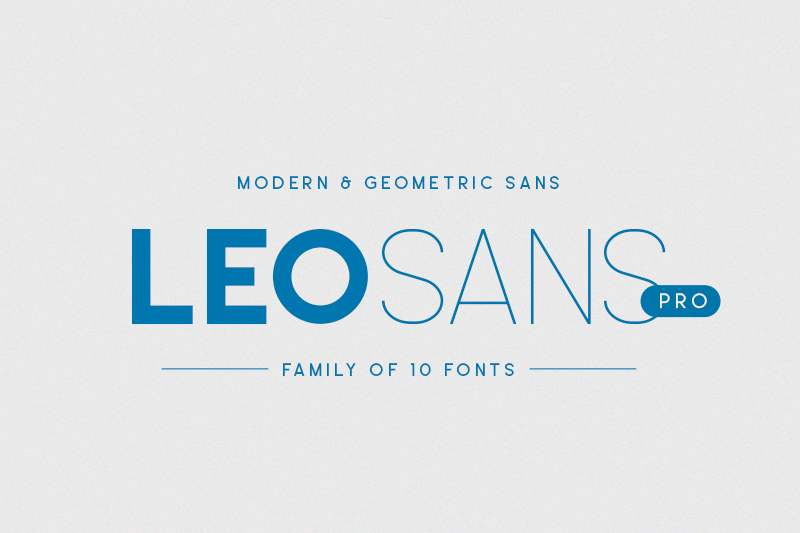

About Leonardo Font
I came across Leonardo Font while testing options for a clean interface design. I needed something calm, modern, and easy to read, without feeling cold or dull. This typeface caught my eye because it looked balanced and confident, but not loud.
I decided to try it across a few layouts for a product dashboard and a simple landing page. The shapes felt familiar yet slightly distinctive, which made me curious about how it would behave in a full system. At Free Fonts Lab, I like to see how a typeface holds up once it leaves the specimen sheet and enters real content.
Font Style & Design Analysis
Leonardo Font is a sans-serif typeface with a clean, modern direction. The lines are smooth and controlled, with a steady stroke weight that feels stable on screen. It does not try to be quirky or experimental. Instead, it leans on clarity, making it suitable for everyday digital and print work.
The exact creator of this font is designer unknown, which does limit how much background we can read into the design choices. Still, the overall construction suggests a focus on usability first. The font family feels like it was built for simple, direct communication, rather than display drama or strong branding gimmicks.
The letterforms show open counters, especially in characters like “a”, “e”, and “s”, which helps legibility in dense text. Spacing feels slightly generous, giving text room to breathe without looking loose. The rhythm across lines stays steady, which makes longer reading comfortable. As a sans-serif, it works well in structured layouts, though it may lack personality for very expressive identities. It shines in neutral, functional typography where clarity matters most.
Where Can You Use Leonardo Font?
I see Leonardo Font working very well in digital products, dashboards, and simple websites. In larger sizes, the shapes look neat and calm, so it fits headings, UI labels, and short titles. At smaller sizes, the open forms and tidy spacing keep text readable, especially on modern screens with good rendering.
For print, it suits brochures, instruction manuals, and clean corporate documents. It supports a straightforward visual identity where you do not want the typeface to steal attention from the message. Pair it with a warmer serif for body text if you need more contrast, or use a bold weight of the same font family for a minimal, single-family system.
Branding-wise, I would use it for tech startups, education platforms, or utility apps that value clarity over flair. It works best when combined with strong colour, layout, or imagery to bring character. On its own, the font style remains neutral and composed, which can be an advantage for interfaces and systems that must feel dependable and simple.
Font License
The licence terms for Leonardo Font can vary depending on where you download it. Always confirm what is allowed for personal and commercial projects before using it in client work. I strongly suggest checking the official source and reading the licence details with care.
My honest takeaway as Ayan Farabi: this is a practical, neutral choice when you want typography to support the design quietly instead of leading it.




Leave a Reply