
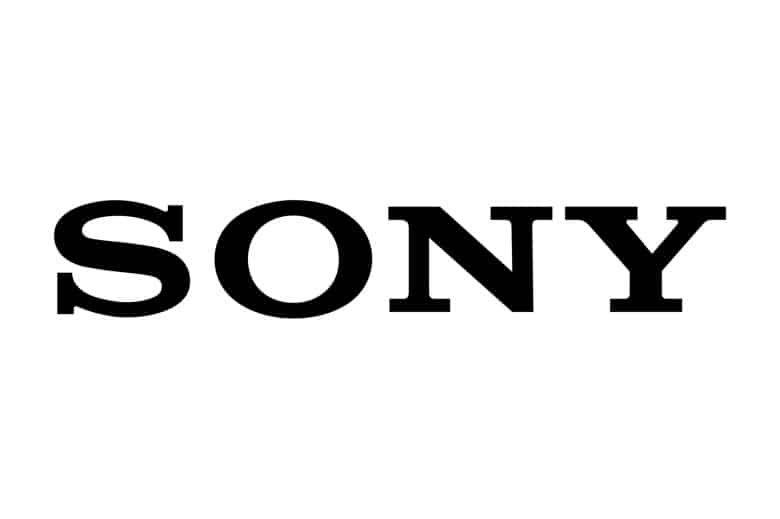

About Sony Font
I first reached for Sony Font while working on a modern tech logo that needed a clean, strong wordmark. I wanted something that felt bold, minimal, and confident, but without looking cold or too corporate. The name itself hinted at a familiar brand tone, so I was curious to see how it behaved in a real layout.
As I tested it across mock-ups for screens, packaging, and simple brand marks, the font started to reveal its character. It sits in that space between strict geometry and friendly simplicity. I decided to write about it here for Free Fonts Lab because many designers ask for logo-ready typefaces with this kind of direct, no-nonsense feel.
Font Style & Design Analysis
This is a logo typeface at its core, and its design direction shows that clearly. The letterforms look solid, balanced, and built for strong brand marks. Strokes are mostly even, giving a clean and controlled texture on the line. It aims for clarity first, then adds a quiet sense of personality through simple shapes and measured curves.
The original designer unknown, at least from the sources I could confirm. That lack of clear authorship does not change how the font behaves, but it does matter when we talk about licensing and trust. Without a credited foundry, I tend to test more carefully, and I avoid assuming anything about its allowed use in paid client work.
The letterforms feel fairly wide, with open counters that help legibility in bigger sizes. Spacing is tight by default, which works well for compact logos but may need manual kerning for longer names. The rhythm is steady, almost mechanical, which gives the typography a controlled, reliable mood. Its strengths sit in bold wordmarks and short brand names. It struggles more in long text, taglines, or complex layouts, where its logo-focused nature starts to feel stiff.
Where Can You Use Sony Font?
Sony Font makes the most sense in branding and identity work, especially where a simple logotype must carry the whole story. Tech startups, electronics brands, game studios, and media platforms can all benefit from its direct, modern voice. It reads well on screens and product mock-ups, as long as you respect its logo category roots.
At larger sizes, the font holds its weight nicely. The shapes stay crisp, and the spacing feels controlled enough for headers, hero text, and app icons. At smaller body sizes, especially on dense interfaces, the forms start to feel a bit cramped. For that reason, I prefer to keep it for logos, titles, and short UI labels, rather than long paragraphs.
In terms of pairing, I usually match this logo typeface with a neutral sans-serif or a humanist serif for body copy. The clean font style of Sony Font benefits from contrast with something softer or more readable at text size. It works best when it leads as the main wordmark, and a second supporting font family handles all the detailed content around it.
Font License
The licence for Sony Font can vary depending on where you download it, and the terms are not always clear. I never assume it is free for commercial projects. Before using it in any client branding or paid work, I strongly recommend checking the official source and reading the licence carefully.
For me, Sony Font is a useful option when I need a straightforward, logo-driven wordmark that feels modern and steady. With the right licence confirmed, it can serve as a solid starting point for tech-focused identities and clean visual systems.





Leave a Reply