
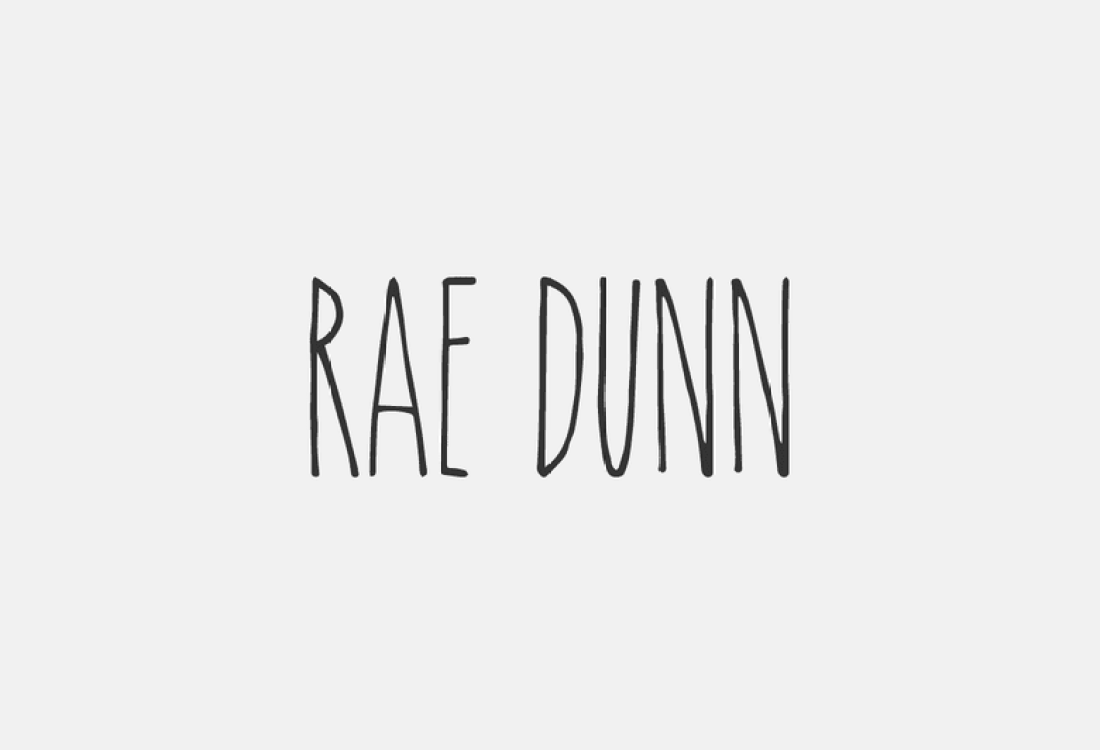

About Ray Dunn Font
I first reached for the Ray Dunn Font while working on a small craft brand logo that needed to feel simple, human, and warm. I wanted something that looked like real handwriting, but still felt clean enough for packaging and social media graphics. The usual brush scripts felt too fancy, and neat sans-serifs felt a bit cold.
That gap is where this font caught my eye. Its rough, imperfect look made the brand feel friendly very quickly. I tested it in mock-ups, stickers, and label designs before sharing the ideas with the client. I later wrote down my notes for Free Fonts Lab, because this typeface behaves in very specific ways that other designers might want to know.
Font Style & Design Analysis
The Ray Dunn Font sits firmly in the logo category, and it clearly aims for a handmade, casual personality. The first thing I noticed was the tall, narrow letters with uneven strokes. It mimics natural marker writing on pottery or tags, with a relaxed, almost childlike energy that still stays readable in simple layouts.
The exact designer is unknown, and that makes it a bit harder to track its original intent or full character set. From what I tested, the font family appears quite minimal, with limited weights and no clear extended styles. You basically get one main font style, so the design work must come from layout, colour, and pairing choices, not internal variety.
The letterforms have quirky shapes: some verticals lean slightly, and many curves feel rough, not polished. Spacing runs loose, with irregular rhythm that adds charm but can look messy in long lines. This makes it strong for short words, stamps, badges, and logo typography, but weak for paragraphs or tight UI text. It sets a clear mood: homemade, approachable, and a bit rustic, which is both its strength and its main limitation.
Where Can You Use Ray Dunn Font?
In my tests, the Ray Dunn Font works best on branding and logo work where you want an honest, crafted tone. Think small shops, handmade goods, pottery, candles, kids’ products, or lifestyle blogs with a warm, personal voice. It shines when the word count is low and the message is direct.
At large sizes, the rough edges and imperfect strokes become a clear feature. On posters, packaging fronts, or hero images, those details help the logo category character stand out. At smaller sizes, though, the thin and uneven lines can start to break up, especially on screens. I would avoid using it for body text, menu items, or long taglines.
For pairings, I had good results pairing this typeface with a clean sans-serif for supporting text. A simple geometric or humanist sans keeps everything readable while letting the logo-style letters do the emotional work. In layouts, I like giving it plenty of white space, so the irregular rhythm feels intentional rather than cramped or careless.
Font License
The licence for the Ray Dunn Font can vary depending on where you get it, so I never assume terms. Before using it in any client logo, product, or commercial project, you should carefully check the official licence details from the source and confirm that both personal and commercial use are clearly allowed.
For me, this font works best as a focused tool: when a project needs a handmade, logo-driven touch, I consider it, test it hard in context, and only keep it if the mood truly fits.



Leave a Reply